 by
by 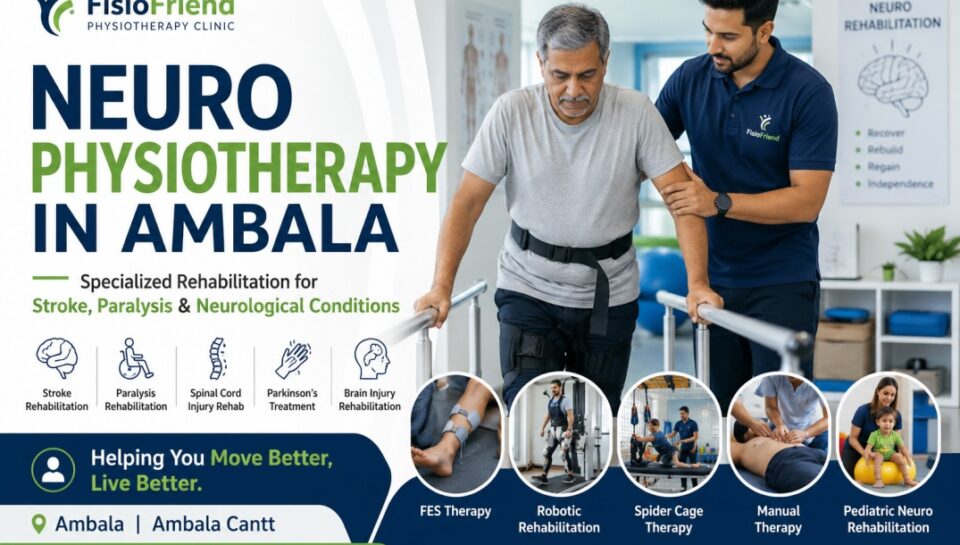
Neuro physiotherapy is a specialized branch of physiotherapy that focuses on helping individuals whose movement and physical function have been affected by disorders of the brain, spinal cord, or nervous system.
When nervous system communication is disrupted due to injury or disease, patients may experience:
- Muscle weakness
- Difficulty walking
- Balance problems
- Coordination issues
- Muscle stiffness
- Tremors
- Reduced hand function
- Increased risk of falls
- Difficulty in daily activities
The purpose of neuro physiotherapy is not just to strengthen muscles — it is to help the nervous system relearn movement patterns and improve the patient's ability to function in everyday life. Therapy focuses on real-world activities like:
- Standing safely from a chair
- Walking on different surfaces
- Climbing stairs
- Reaching for household objects
- Improving hand use during tasks
- Practicing balance while turning
🧩 Stroke Rehabilitation
- Improving walking ability
- Enhancing balance
- Restoring arm & hand function
- Reducing fall risk
- Building independence
🦽 Paralysis Rehabilitation
- Mobility training
- Balance improvement
- Transfer training
- Muscle activation
- Preventing complications
🔵 Parkinson's Disease
- Improved mobility & posture
- Better walking patterns
- Balance training
- Fall prevention
- Long-term independence
⚡ Spinal Cord Injury
- Strengthening muscles
- Transfer & wheelchair skills
- Improving mobility
- Functional independence
- Goal-oriented therapy
🌀 Multiple Sclerosis
- Physical function maintenance
- Symptom management
- Balance & strength work
- Preserving independence
🧠 Brain Injury Rehab
- Regaining practical skills
- Balance & coordination
- Community participation
- Structured repetitive therapy
You should consider consulting a neuro physiotherapist if you or a loved one experiences:
- Difficulty walking or dragging a leg
- Poor balance or unsteadiness
- Frequent falls or near-falls
- Weakness in the arm or leg
- Difficulty using hand for daily tasks
- Muscle stiffness or tightness
- Tremors affecting movement
- Difficulty getting up from a chair
- Coordination problems
- Paralysis following stroke or injury
- Reduced confidence while walking
⚠️ Important Note: One common concern families often have is whether rehabilitation is still helpful months after symptoms begin. While earlier intervention is generally preferred, many patients make meaningful improvements even when therapy starts later than ideal.
At FisioFriend, rehabilitation programs are designed around each patient's goals, abilities, limitations, and stage of recovery — never a one-size-fits-all approach.
Functional Electrical Stimulation (FES)
Uses controlled electrical impulses to stimulate specific muscles, helping with foot drop, muscle weakness, and difficulty walking.
Robotic Rehabilitation
Provides repetitive, controlled movement training. The brain requires thousands of repetitions to relearn movement patterns — robotic systems help achieve this consistently.
Spider Cage Therapy
Supports balance training, posture control, and functional movement practice — safe for patients fearful of falling or unable to stand independently for long.
Manual Therapy
Hands-on techniques to improve joint mobility, reduce stiffness, enhance movement quality, and prepare the body for active rehabilitation.
Goal-Based Rehabilitation
Therapy focused on real-life objectives — walking independently, climbing stairs, returning to work, improving hand function, and daily self-care.
Pediatric Neuro Rehabilitation
Age-appropriate therapy for children with cerebral palsy, developmental delays, neuromuscular disorders, and genetic neurological conditions.
- Better mobility & walking ability
- Enhanced balance and stability
- Reduced muscle stiffness
- Improved coordination
- Greater daily independence
- Better posture & movement control
- Increased confidence
- Reduced fall risk
- Improved quality of life
The human brain has an incredible ability to adapt and reorganize itself — this is called neuroplasticity. After a neurological injury, the brain begins trying to establish new pathways to compensate for damaged areas. Structured rehabilitation helps guide this process.
Common Mistake: Waiting several months before seeking therapy hoping recovery will happen naturally. During this period, muscle stiffness, weakness, poor balance, and movement difficulties can become much harder to address.
Early intervention can help promote movement recovery, maintain flexibility, improve strength, encourage independence, reduce complications, and support long-term outcomes.
Specialized Experience
Years of clinical practice managing neurological conditions of all types.
Personalized Programs
Every rehabilitation plan is built around your unique goals and challenges.
Goal-Oriented Care
Treatment focused on outcomes that matter most to patient and family.
Advanced Techniques
FES, Robotics, Spider Cage, and other modern rehabilitation tools.
Family Education
Ongoing guidance and support for families throughout recovery.
Home Physiotherapy
Available for patients with mobility challenges who cannot travel.
🩺 Neurological Experience
- Stroke patients treated regularly
- Paralysis rehabilitation
- Parkinson's disease
- Spinal cord injuries
- Brain injury recovery
📊 Individualized Plans
- No cookie-cutter treatment
- Condition-specific approach
- Regular goal reassessment
- Adaptive therapy methods
🏃 Functional Focus
- Real-life activity training
- Not just passive therapies
- Meaningful goal setting
- Community participation
🛠️ Modern Equipment
- FES machines
- Robotic rehabilitation
- Spider cage systems
- Appropriate support tools
Living with a neurological condition can feel overwhelming for both patients and families. Whether the challenge involves stroke recovery, paralysis rehabilitation, Parkinson's disease, spinal cord injury, or another neurological disorder, the journey often requires patience, persistence, and professional guidance.
In clinical experience, the patients who achieve the best outcomes are not necessarily those who recover the fastest — they are often the individuals who remain consistent, stay engaged in rehabilitation, and focus on meaningful daily improvements.
Recovery is rarely a straight line. There may be good days and difficult days. Progress may sometimes feel slow. However, with the right support, structured rehabilitation, and realistic goals, many patients can improve their mobility, independence, confidence, and quality of life.
If you or a loved one is looking for specialized neuro physiotherapy in Ambala, FisioFriend is committed to providing evidence-based, patient-centered rehabilitation designed around your individual needs and recovery goals.